Struggling with high cholesterol can feel overwhelming, especially when faced with the possibility of lifelong medication. But what if there were natural, proven ways to take control of your cholesterol levels without relying on pills? The good news is that small, simple lifestyle changes can have a big impact. In this guide, we’ll explore seven effective strategies to help lower your cholesterol naturally. Whether you’re looking to avoid medication or complement your current treatment, these tips are backed by science and easy to implement. Let’s dive in and get your heart health back on track!

Section 1: Understanding Cholesterol
What is Cholesterol?
Cholesterol is a waxy, fat-like substance found in every cell of your body. Despite its bad reputation, cholesterol plays a crucial role in maintaining our health. It is essential for producing hormones, vitamin D, and bile acids that help digest fat. However, the key to a healthy cholesterol level lies in moderation. Too much cholesterol can lead to significant health problems, while a healthy amount supports various bodily functions.
Cholesterol travels through your bloodstream in lipoproteins, which are made up of fat and protein. There are two main types: low-density lipoprotein (LDL) and high-density lipoprotein (HDL).
- LDL (Bad Cholesterol): Often referred to as “bad” cholesterol, LDL can lead to the build-up of fatty deposits in your arteries. When levels of LDL are high, they increase the risk of heart disease and stroke.
- HDL (Good Cholesterol): On the other hand, HDL is considered “good” cholesterol. It helps remove other forms of cholesterol from your bloodstream, transporting it back to the liver for elimination. Higher levels of HDL are associated with a lower risk of heart disease.
Understanding the balance between these two types of cholesterol is vital for maintaining cardiovascular health. While we need cholesterol to function properly, managing the levels is essential to prevent health complications.
Why High Cholesterol is a Problem
High cholesterol is often referred to as a “silent killer” because it typically does not present noticeable symptoms. Many people may be unaware that their cholesterol levels are elevated until they undergo a blood test. However, high cholesterol can lead to severe health consequences.
One of the most significant risks associated with high cholesterol is heart disease. When there is too much LDL cholesterol in the bloodstream, it can begin to accumulate in the walls of arteries, leading to a condition known as atherosclerosis. This build-up narrows the arteries, making it harder for blood to flow. As a result, the heart has to work harder to pump blood through these constricted pathways, increasing the risk of heart attacks and strokes.
Moreover, elevated cholesterol levels can also lead to other complications, such as peripheral artery disease and high blood pressure. These conditions can further impact overall health, leading to decreased mobility, chronic pain, and a lower quality of life.
Understanding the dangers of high cholesterol underscores the importance of regular cholesterol screenings and proactive management of cholesterol levels through lifestyle changes and, when necessary, medical intervention.
Section 2: The Power of Diet in Lowering Cholesterol
The Connection Between Diet and Cholesterol
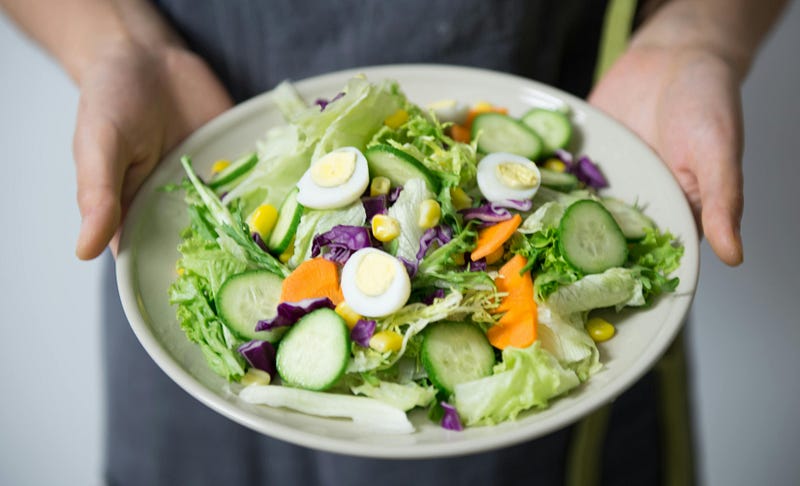
What we eat significantly impacts our cholesterol levels. Our diets are composed of various types of fats, and some are far more detrimental than others. Saturated fats, often found in red meat, full-fat dairy products, and processed foods, can increase LDL cholesterol levels. Similarly, trans fats, which are commonly found in fried foods and baked goods, not only raise LDL levels but also lower HDL levels.
Conversely, certain foods can help lower cholesterol. A diet rich in whole foods, particularly fruits, vegetables, whole grains, and healthy fats, can improve overall cholesterol levels. When you make conscious choices about what you eat, you can influence your cholesterol levels positively.
Foods That Naturally Lower Cholesterol
Soluble Fibre
One of the most effective dietary strategies for lowering LDL cholesterol is to increase your intake of soluble fibre. Soluble fibre dissolves in water, forming a gel-like substance that binds to cholesterol in the digestive system. Foods rich in soluble fibre include oats, beans, lentils, apples, and citrus fruits. Incorporating these foods into your daily diet can help lower LDL cholesterol levels significantly.
Healthy Fats
Contrary to popular belief, not all fats are bad. In fact, consuming healthy fats can be beneficial for your cholesterol levels. Foods like avocados, olive oil, and fatty fish are rich in monounsaturated and polyunsaturated fats, which can help raise HDL cholesterol while lowering LDL cholesterol. Fatty fish, such as salmon and mackerel, are also excellent sources of omega-3 fatty acids, known for their heart-protective properties.
Plant Sterols and Stanols
Plant sterols and stanols are substances found in certain plants that can help reduce cholesterol levels. These compounds block the absorption of cholesterol in the intestines, effectively lowering LDL cholesterol levels. You can find plant sterols and stanols in fortified foods, such as margarine, orange juice, and yogurt. Including these in your diet can be a simple yet effective way to manage cholesterol.
Antioxidant-rich Foods
A diet high in antioxidant-rich foods, including vegetables, fruits, and nuts, can support heart health and lower cholesterol. Antioxidants help combat inflammation and oxidative stress, which can contribute to cardiovascular disease. Berries, spinach, kale, walnuts, and almonds are all great choices. Incorporating a variety of these foods into your meals not only enhances flavour but also boosts your overall health.

Section 3: Move More, Stress Less
Exercise: The Cholesterol-Busting Habit
Regular physical activity is one of the most effective ways to boost HDL cholesterol while lowering LDL cholesterol. Exercise helps improve overall heart health by increasing blood circulation and reducing body fat, both of which contribute to healthier cholesterol levels.
Engaging in moderate-intensity aerobic activities, such as brisk walking, swimming, or cycling, for at least 150 minutes per week can lead to significant improvements in cholesterol levels. Even simple activities like gardening, dancing, or taking the stairs instead of the elevator can contribute to your overall physical activity.
Finding enjoyable ways to incorporate exercise into your routine can help you stick with it long term. Whether it’s joining a dance class, hiking with friends, or swimming laps at your local pool, the key is to keep moving!
The Role of Stress in Cholesterol
While exercise can help lower cholesterol, stress can have the opposite effect. Chronic stress is linked to higher cholesterol levels due to the release of hormones that can lead to increased fat accumulation and higher LDL cholesterol levels.
Managing stress is crucial for maintaining healthy cholesterol levels. Simple techniques such as deep breathing exercises, meditation, and mindfulness can effectively reduce stress and improve overall well-being. Finding time for relaxation and self-care, whether through yoga, reading, or spending time in nature, can also make a significant difference.
Incorporating stress management techniques into your daily routine not only benefits your mental health but also helps keep your cholesterol levels in check.
Section 4: Watch Your Weight
Why Weight Affects Cholesterol
Excess weight can significantly affect cholesterol levels, particularly by raising LDL cholesterol and lowering HDL cholesterol. When you carry excess weight, your body may produce more LDL cholesterol and less HDL cholesterol. This imbalance increases the risk of cardiovascular disease and other health issues.
Moreover, even modest weight loss can lead to significant improvements in cholesterol levels. Studies have shown that losing just 5–10% of your body weight can help lower LDL cholesterol and improve overall heart health.
Easy Weight Loss Tips
Losing weight does not have to be a daunting task. Instead, focus on realistic, small steps that can lead to sustainable change. Here are some tips:
- Portion Control: Be mindful of portion sizes, especially when dining out or snacking. Using smaller plates and bowls can help control portion sizes without feeling deprived.
- Mindful Eating: Pay attention to what you eat. Take the time to enjoy your meals, savouring each bite. This practice can help you recognize when you’re full, preventing overeating.
- Cutting Back on Sugar: Reducing your intake of sugary foods and beverages can also aid in weight loss. opt for water, herbal teas, or other low-calorie drinks instead of sugary sodas and juices.
- Stay Hydrated: Drinking plenty of water can help with weight management. Sometimes, our bodies mistake thirst for hunger, leading to unnecessary snacking.
- Regular Meal Times: Establishing regular meal times can help regulate your body’s hunger signals and prevent impulsive eating.
By implementing these small changes, you can gradually achieve healthier weight and, in turn, improve your cholesterol levels.
Section 5: Cut the Bad Habits
The Smoking-Cholesterol Connection
Smoking is not only detrimental to your lungs but also has a significant impact on your cholesterol levels. Research shows that smoking lowers HDL cholesterol, which is the protective form of cholesterol that helps remove bad cholesterol from your bloodstream. Additionally, smoking damages blood vessels, making it easier for cholesterol to build up in the arteries.
Quitting smoking can lead to remarkable improvements in your cholesterol levels and overall heart health. If you’re looking to quit, various resources are available, including support groups, counselling, and nicotine replacement therapies. Remember, it’s never too late to quit; doing so can lead to significant health benefits.
Limit Alcohol for Better Heart Health
Moderate alcohol consumption can have some health benefits, such as raising HDL cholesterol. However, excessive drinking can lead to elevated cholesterol levels and other health issues. The key is moderation.
For men, moderate drinking is defined as up to two drinks per day, and for women, it’s one drink per day. If you find it challenging to moderate your alcohol intake, consider taking breaks or seeking help to find healthier alternatives that don’t compromise your heart health.
Section 6: Supplements to Consider
Natural Supplements That Help Lower Cholesterol
While dietary changes are essential for managing cholesterol, certain supplements can also support your efforts. Here are some options to consider:
Omega-3 Fatty Acids
Omega-3 fatty acids are found in fatty fish, flaxseeds, and walnuts. These healthy fats have been shown to lower LDL cholesterol levels while raising HDL cholesterol. If you find it challenging to incorporate enough omega-3s into your diet through food, consider taking a fish oil or flaxseed oil supplement.
Psyllium Husk
Psyllium husk is a soluble fibre supplement that can help lower cholesterol levels. It works by binding to cholesterol in the digestive system and promoting its elimination. You can find psyllium husk in powder form, making it easy to add to smoothies or baked goods.
Niacin and Red Yeast Rice
Niacin (vitamin B3) has been shown to improve HDL cholesterol levels while lowering LDL cholesterol. Red yeast rice, a traditional Chinese medicine, contains compounds similar to statin medications and may help lower cholesterol levels. However, it’s essential to consult with a healthcare provider before starting any new supplements, especially niacin and red yeast rice, as they may have potential side effects and interactions.
Section 7: Know When to Seek Professional Help
When Natural Solutions Aren’t Enough
While lifestyle changes and natural remedies can significantly impact cholesterol levels, sometimes they may not be sufficient. If your cholesterol remains high despite your best efforts, it may be time to consult a healthcare provider. Regular cholesterol screenings can help monitor your progress and determine whether medication is necessary.
Finding the Right Balance
It’s essential to understand that medication and natural remedies can work together. Many individuals successfully manage their cholesterol with a combination of lifestyle changes and prescribed medications. If your doctor recommends medication, don’t hesitate to ask questions about how it fits into your overall health plan.
Click here to see how millions of people have been able to manage there cholesterol levels.
Conclusion: Take Charge of Your Cholesterol Naturally
Managing cholesterol naturally is a journey that requires commitment, but the rewards are well worth the effort. By making small, consistent changes in your diet, exercise routine, and lifestyle, you can lower your cholesterol levels and improve your heart health.
Remember, it’s essential to consult with your healthcare provider regularly to monitor your progress and adjust your plan as needed. Start implementing these strategies today for a healthier heart and a happier life. Your future self will thank you!
Disclosure: This article contains affiliate links. This means that if you click on a link and make a purchase, we may earn a small commission at no additional cost to you. We only recommend products and services that we believe will provide value to our readers.
 Cholesterol Control: 7 Natural Ways to a Healthier Heart!
Leave a comment